


This study examines plantation labour in Bengalon and Rantau Pulung, East Kutai, with a focus on workers employed by smallholders. It maps working conditions and relationships between workers, landowners, cooperatives and other actors in the supply chain.
The scope includes baseline data on contracts, wages, occupational safety and health, employment types and workforce numbers; development of the research methodology; field observations and interviews; and up to nine focus groups with workers and landowners. Up to two further discussions in Sangatta provide district-level validation. The analysis addresses labour demand and distribution, recruitment, fair wages, decent work, insurance and worker organization, with recommendations for capacity development and improved labour management.
Description of Services
Objective
The objective of this consultancy is to map and analyze the current situation of workers on smallholder plantations in Rantau Pulung and Bengalon, and to recommend strategic actions and capacity-building measures aimed at improving working relationships between landowners (smallholders or cooperative members) and plantation workers.
Scope of Work
The scope of this consultancy services assignment includes the following:
- Preparation and Preliminary Study
Conduct a preliminary assessment and compile baseline data on the conditions of smallholder plantation workers in East Kutai Regency. This shall include general and secondary data obtained from reliable sources such as the Central Statistics Agency (BPS), Manpower Office, Plantation Office, and other relevant institutions and data sources.
The data shall include, but not be limited to, information on employment contracts, wages, occupational safety and health protection, types of work, and the number of workers.
The Consultant shall also develop the methodology, assessment framework/model, hypotheses, target respondents, types and formats of data to be collected, and the implementation schedule for field activities.
- Field Data Collection in Bengalon and Rantau Pulung
Conduct field data collection through observations, interviews, and up to nine (9) Focus Group Discussions (FGDs) with smallholder plantation workers and other target respondents to collect the primary data identified under Point (a) above in Bengalon and Rantau Pulung.Each FGD shall involve approximately 10–20 participants, consisting of smallholder plantation workers as well as landowners who also work on the plantations.
Conduct in-depth interviews with landowners, intermediaries, and other relevant actors along the supply chain to obtain a deeper understanding of workers’ current conditions and their future needs in supporting sustainable livelihoods.
The assessment shall specifically explore two key dimensions:
- Labour uncertainty; and
- Labour vulnerability.
- Presenting Triangulated and Verified Fact-Finding Results to the District Governmen
Compile and verify information on the mandates, responsibilities, policies, and roles of the East Kutai Regency Government in relation to labour conditions, and compare the situation with labour management practices applied by plantation companies.
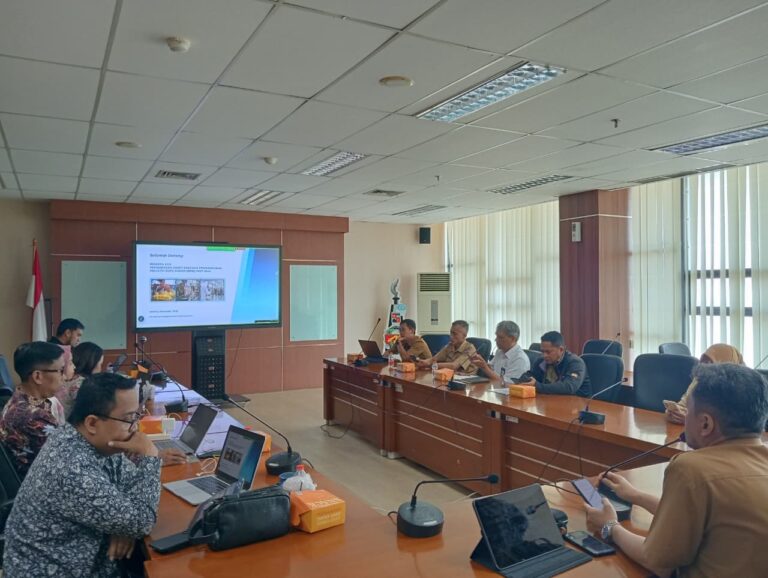
The Consultant shall organize up to two (2) Focus Group Discussions (FGDs) in Sangatta with relevant stakeholders from the East Kutai Regency Government to discuss and validate the findings from the field assessment, analysis, and proposed recommendations.
Report and Recommendations
Prepare a report presenting the field assessment findings, analysis of smallholder plantation workers in East Kutai Regency, applicable labour policies in the plantation sector (or labour policies more generally), and recommendations for strategic actions and capacity-building measures for workers.
The report shall address, but not be limited to, the following:
Develop a clear understanding of human resource requirements and labour distribution across key plantation functions, including maintenance, harvesting, and transportation, to support effective workforce planning within smallholder cooperatives.
Develop an appropriate and integrated worker management system that is suited to the local context. The system shall include standardized recruitment procedures and mechanisms to ensure fair wages, decent working conditions, access to social protection (e.g., insurance), and compliance with occupational health and safety standards.
Formulate a plan for establishing organized worker groups representing the key plantation functions, and strengthen their capacity to operate as effective labour organizations capable of representing workers’ interests and undertaking advocacy.